


Table of Contents
- What Determines How Durable Leather Clubwear Really Is
- How Long Does Leather Clothing Last in Club Environments
- Real Leather vs Faux Leather Clothing: Which Holds Up Better
- How to Care for Leather Clothing Between Wears
- How to Clean Leather Clubwear After Night Out Wear
- Common Durability Issues and How to Prevent Them
- Investing in Leather Clubwear That Lasts
- Frequently Asked Questions
Last Updated: October 10, 2026
What Determines How Durable Leather Clubwear Really Is
How durable is leather clubwear? The answer depends on three core factors: the quality of the leather itself, how it's processed, and how well it's constructed. At Spitfire Leather, we craft garments that withstand the demands of active clubbing and performance wear. The difference between a jacket that lasts five years and one that falls apart in five months comes down to these specific elements.
Leather is not all the same. Full-grain leather, the top layer of the hide with the natural grain intact, holds up far better than split leather or heavily processed alternatives. Full-grain leather develops character over time, patinas beautifully, and resists tearing. It's also denser, which means it handles the friction and movement of club environments without degrading quickly.
Tanning methods matter just as much. Vegetable tanning creates leather that's firm and ages well, whilst chrome tanning produces softer, more flexible leather that's easier to wear. Aniline tanning, used in our Black Shirt, keeps the leather soft and natural-feeling whilst maintaining strength. The tanning process affects how the leather responds to moisture, heat, and repeated flexing.

The role of leather grade and tanning methods
Premium leather grades are graded by how few natural marks and imperfections the hide contains. Grade A leather has minimal blemishes and offers superior durability. Lower grades have more marks, which can become weak points where tears start. When you're moving hard on a dance floor, those weak points matter.
Vegetable-tanned leather develops a protective patina over time. This natural oxidation actually strengthens the surface. Chrome-tanned leather stays consistent in appearance but doesn't gain that protective layer. For clubwear that takes abuse, vegetable tanning is a durable choice long-term.
Aniline leather, leather dyed all the way through rather than just surface-coated, offers a sweet spot. It's soft enough for comfort during extended wear but maintains structural integrity through repeated stress. Our Black Shirt uses 100% aniline full-grain leather, which means you get that supple feel without sacrificing durability.
Construction quality and stitching strength
Stitching is where many cheap leather garments fail. Double-stitched seams are stronger than single stitches.
Look for visible stitching that's tight and even, loose, sloppy stitching is a sign the garment won't last.
Reinforcement at stress points extends durability significantly. Rivets at pocket corners, reinforced seams at underarms, and bar-tacked stress points (where thread is sewn back and forth in a tight pattern) all prevent tears from spreading. Our Napolitan Kilt uses grip-tight double cap rivets and reinforced stitching specifically to handle the movement and friction of active wear.
How Long Does Leather Clothing Last in Club Environments
Leather clubwear typically lasts between three and seven years with regular clubbing use, depending on how often you wear it and how well you care for it. A jacket worn once a month will outlast one worn every weekend by a significant margin.
Real leather actually improves with age if cared for properly. It softens, moulds to your body, and develops a patina that looks better than when new.
The environment matters too. Heated clubs with high humidity accelerate leather breakdown. Repeated exposure to sweat, alcohol spills, and cigarette smoke (in venues where it's still permitted) all shorten lifespan. Leather exposed to direct sunlight fades and becomes brittle. Proper storage and care between wears is what separates a five-year garment from a seven-year one.
Real Leather vs Faux Leather Clothing: Which Holds Up Better
Real leather holds up better than faux leather in every scenario that matters for clubwear. Genuine leather breathes, which means it doesn't trap moisture against your skin. It also self-repairs micro-damage, small scuffs and scratches fade as the leather's natural oils resurface. Faux leather does neither.
The synthetic material doesn't flex naturally, so it develops stress cracks at movement points. Once cracking starts, it spreads quickly. Real leather flexes thousands of times without cracking because it's a natural, living material.
The cost difference is real but worth it. For clubbers who invest in their look, real leather is a rational choice.
Real leather also responds better to repair. A torn seam can be re-stitched. A broken zip can be replaced. Faux leather damage is often permanent, a crack in PU can't be sealed without looking obviously repaired.
How to Care for Leather Clothing Between Wears
Proper storage is the foundation of durability. Hang leather jackets on padded hangers in a cool, dry space. Never store in plastic bags, which trap moisture and encourage mildew. A breathable garment bag is ideal. Temperature fluctuations speed up leather degradation, so avoid storing in attics or unheated basements where temperature swings are dramatic.
Humidity control matters more than most people realise. Leather absorbs moisture, which weakens the fibres and encourages mould growth.
Storage and climate control
Store leather away from direct sunlight. UV light breaks down the leather's protein structure, causing fading and brittleness. A dark wardrobe or wardrobe is ideal. If you must store near a window, use blackout curtains or heavy cloth to block light.
Temperature stability prevents cracking. Leather expands and contracts with temperature changes. Repeated expansion and contraction weakens the material. Avoid storing leather near radiators, heaters, or air conditioning vents.
Moisture is leather's enemy. Sweat-soaked leather left in a sealed bag will develop mould within days. After wearing clubwear, hang it in a well-ventilated space for at least 24 hours before storing. If the garment is visibly wet, stuff it loosely with newspaper to absorb moisture, and change the newspaper every few hours until dry.
Conditioning and protection treatments
Leather needs conditioning if worn regularly. Conditioning replaces natural oils that evaporate over time. Without conditioning, leather becomes dry, stiff, and prone to cracking. Use a leather conditioner specifically formulated for the type of leather you own.
Apply conditioner sparingly. Too much creates a sticky residue that attracts dirt. A thin, even coat is all you need. Work it in with a soft cloth using circular motions. Let it absorb for 20 minutes, then buff away excess with a clean cloth.
Protective treatments create a water-resistant barrier without changing the leather's appearance or feel. These treatments repel sweat, spills, and moisture whilst allowing the leather to breathe. They're especially important for clubwear that faces exposure to liquids.
How to Clean Leather Clubwear After Night Out Wear
Clean leather immediately after clubbing, not days later. Fresh spills are easier to remove and less likely to stain permanently. Use a soft, lint-free cloth, microfibre works well. Wipe away surface dirt and spills gently. Never scrub hard, as this pushes dirt deeper into the leather.
For sweat and moisture, hang the garment in a well-ventilated area for at least 24 hours. This allows the leather to dry naturally. Forced drying (hairdryer, radiator heat) damages leather by causing it to shrink unevenly.
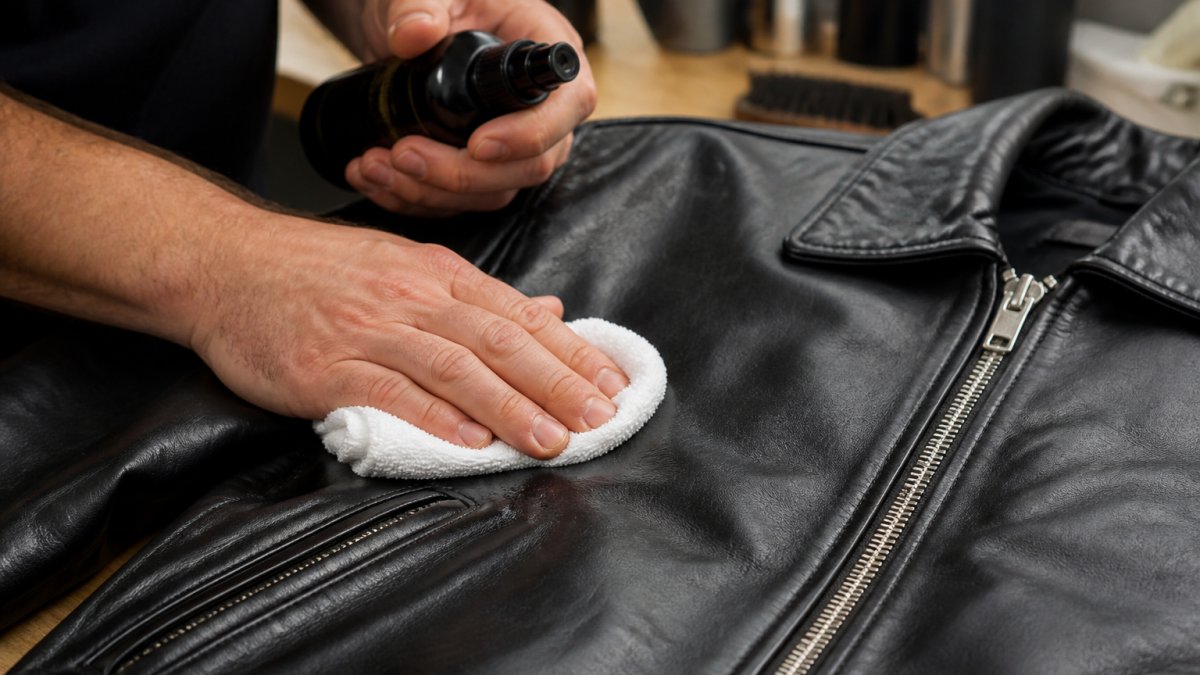
For stubborn stains, use a leather-specific cleaner. Test it on a hidden area first. Apply a small amount to a soft cloth and gently work it into the stain. Wipe clean with a damp cloth, then dry immediately.
Alcohol spills require quick action. Blot immediately with a dry cloth. If the spill dries, use a damp cloth to gently wipe the area, working from the outside of the stain inward to prevent spreading. Dry thoroughly.
Salt stains from sweat are common in clubwear. These appear as white residue. Wipe with a barely damp cloth, then dry immediately.
Never use harsh chemicals, bleach, or acetone on leather. These strip natural oils and damage the material. Stick to products designed for leather care.
Common Durability Issues and How to Prevent Them
Most leather clubwear failures fall into predictable categories. Understanding these problems helps you prevent them before they start.
Stretching and shape loss
Leather stretches under stress, especially when wet. A jacket worn whilst damp will stretch and lose shape.
Avoid overloading pockets. Heavy items in pockets create stress points that stretch the leather and weaken seams. Keep pockets empty or carry minimal weight.
Wear the correct size. Tight leather that pulls at seams stretches faster than properly fitted garments. Tight clothing also causes excessive sweating, which accelerates deterioration.
Store on proper hangers. Wire hangers create stress points and can leave marks. Padded hangers distribute weight evenly and prevent stretching.
Seam failure and zip damage
Seams fail when thread breaks or stitching comes loose. This happens faster in cheap garments with single stitching. Quality construction with double stitching prevents this. Our Quilted BLUF Jacket uses heavy YKK zips and reinforced stitching specifically to prevent seam failure.

Zips fail when they're forced or corroded. Never force a stuck zip. Corrosion happens when zips are exposed to moisture and salt. Dry zips thoroughly after exposure to sweat or spills.
Check seams regularly for loose stitching. If you spot a thread coming loose, have it re-stitched immediately by a leather specialist. A small repair now prevents a large tear later.
Investing in Leather Clubwear That Lasts
Quality leather clubwear is an investment, not an expense. The upfront cost is higher, but durability and longevity make it economical over time. A well-made leather jacket can be a more economical choice over time than a cheap synthetic jacket.
Buy from makers who specialise in leather construction. Spitfire Leather pieces are hand-constructed with full-grain leather and reinforced seaming, the kind of craftsmanship that translates directly to durability.
Look for specific details:
- Full-grain leather (not split or bonded)
- Double or triple stitching at stress points
- Reinforced seams and rivets at corners
- Quality zips (YKK or equivalent)
- Hand-finished edges
- Proper lining to protect against sweat damage
Our collections rotate every few months with new designs, meaning each piece receives individual attention to detail.
Consider bespoke or made-to-measure options if you want longevity. A jacket tailored to your exact measurements fits better, which means less stress on seams and less stretching. Proper fit is one of the most underrated durability factors.
Durability in leather clubwear comes down to material quality, construction detail, and consistent care. Real leather from reputable makers like Spitfire Leather lasts years longer than alternatives, develops character over time, and actually improves with age when maintained properly. Invest in pieces built to last, store them correctly, and clean them promptly after wear. Your leather will reward you with years of reliable performance and a distinctive look that only genuine leather can achieve.
Frequently Asked Questions
How long does leather clubwear last with regular wear?
Premium full-grain leather clubwear typically lasts 5-10 years with regular club use when properly maintained. Factors affecting longevity include leather grade, construction quality, how often you wear it, and your care routine. Hand-constructed pieces like those made from aniline full-grain leather tend to age better than cheaper alternatives. Proper conditioning and cleaning between wears significantly extends the lifespan of your investment.
Is real leather more durable than faux leather for clubwear?
Yes, genuine leather consistently outperforms synthetic alternatives in durability. Real leather develops character over time, becoming softer and more supple rather than degrading. Full-grain and aniline leathers resist tearing and cracking better than polyurethane or PVC faux materials, which can become brittle and peel after extended wear. Real leather also breathes better, reducing moisture damage during active club nights. The initial investment in genuine leather pays dividends through years of reliable wear.
What should I do immediately after wearing leather clubwear at a club?
Wipe down your leather with a soft, dry cloth to remove sweat, moisture, and dirt as soon as you get home. Allow it to air dry naturally at room temperature, never use direct heat. Once fully dry, store it in a cool, dark place on a padded hanger to prevent creasing. For heavy sweating or spillage, use a leather-specific cleaner within 24 hours. This immediate post-wear routine prevents staining, moisture damage, and odour build-up that can compromise durability.
How can I tell if leather clubwear is good quality before buying?
Look for hand-constructed pieces made from full-grain or aniline leather, which are naturally more durable than bonded or corrected-grain alternatives. Check for reinforced stitching, especially at stress points like seams and closures. Quality hardware, such as YKK zips and nickel-plated rivets, indicates attention to durability. Examine the leather's feel: genuine leather should be soft, slightly textured, and warm to the touch. Brands like Spitfire Leather that offer limited-edition, hand-constructed pieces typically prioritise craftsmanship over mass production, ensuring longer-lasting garments.


